How we research: this guide is based on manufacturer specifications, published data and verified customer feedback. Products are not personally tested unless marked “Tested by us”. Our process.
We may earn a commission when you buy through links on this site, at no extra cost to you. As an Amazon Associate I earn from qualifying purchases.
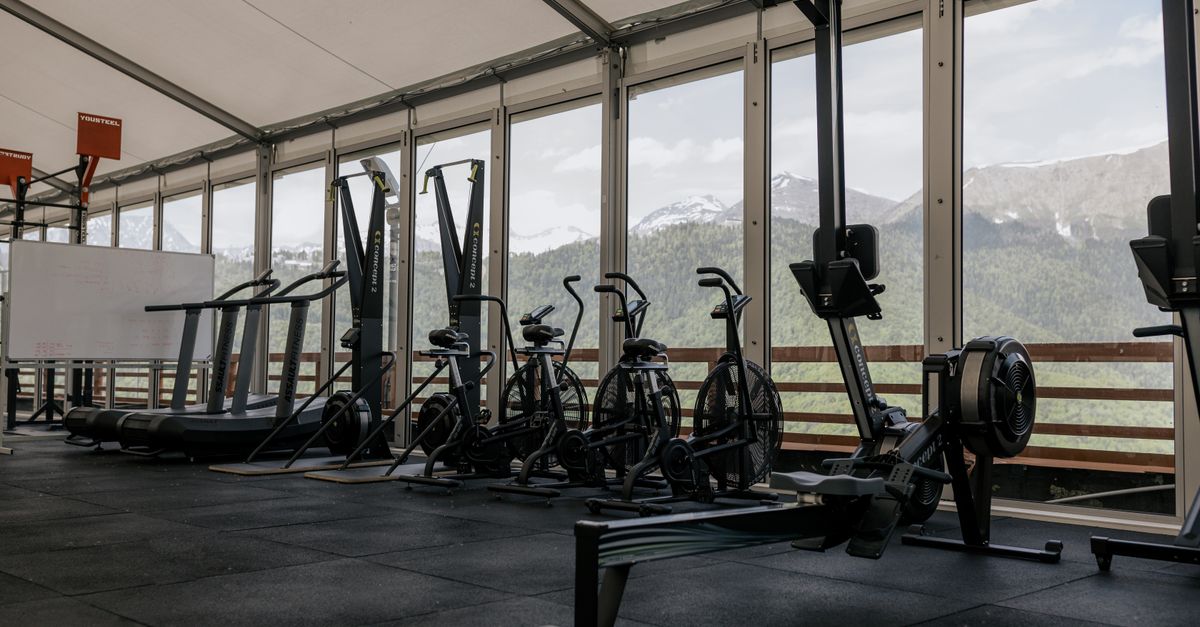
If you're building a home cardio setup, the hardest part is usually not finding a machine; it's choosing the right type. Treadmills, exercise bikes, rowers, and ellipticals solve different problems, and the best pick depends on how you train, how much room you have, and how much noise you can live with.
This guide is the category map. If your main goal is walking while you work, start with Best Under Desk Treadmill: 2026 Top Picks instead of a full treadmill. If you already know you want a rower, compare Rowing Machine for Home: Top Picks for 2026 with Best Rowing Machine for Home: 2026 Picks; if you're torn between rowing and running, use Rowing Machine vs Treadmill: Which Is Better?.
If you're planning the whole room, start with Home Gym Setup: What to Buy First in 2026 and Home Gym Setup Guide, then make sure your floor is ready with Best Home Gym Flooring for Every Setup. If you're new to exercise or returning after a long break, talk with a doctor before starting a new program.
Quick picks
Comparison table
| Type | Best for | Main trade-off | Typical home-gym note | Check price |
|---|---|---|---|---|
| Treadmill | Running, brisk walking, and run-specific training | Largest footprint and usually the most impact/noise | Folding helps, but you still need to measure belt size, ceiling height, and storage path; if you only want desk walking, start with Best Under Desk Treadmill: 2026 Top Picks. | — |
| Exercise bike | Low-impact daily cardio and intervals | Less whole-body work than a rower | Usually the easiest fit in apartments and shared spaces. | — |
| Rowing machine | Full-body conditioning in a relatively compact training format | Technique takes a little learning | Long during use, but many store more compactly than a treadmill. | AmazoneBay |
| Elliptical | Smooth standing cardio with lower impact | Stride feel varies and machines can be bulky | Check stride comfort, pedal spacing, and placement in the room. | — |
Our picks in detail
Concept2 RowErg Rowing Machine
Best for: Buyers who want a durable rower with clear performance data and easy storage flexibility.
PM5 monitor and device holder are included.
Available with standard or tall legs for different seat heights.
Separates into two pieces and supports a 500 lb max user weight.
What owners mention: Verified owners commonly praise the durability, performance, and data comparability over time. The most common complaints are seat comfort and some noise comments.
- Dimensions
- 96 x 24 in
- Seat height
- 14 in or 20 in, depending on leg choice
- Storage
- Separates into two pieces
- Monitor
- PM5
- Power
- Two D-cell batteries
- Max user weight
- 500 lb
Pros
- Clear performance monitoring
- Strong storage flexibility for a long machine
- Simple ownership with a reputation for durability
Cons
- Requires rowing technique to feel natural
- Long footprint while in use
- Not the smallest choice for a tight room
Skip it if: Skip if you want a small upright cardio machine or you do not want to learn rowing technique.
Schwinn IC4 Indoor Cycling Bike
Best for: Riders who want a compact bike with broad app compatibility.
Indoor cycling bike with Bluetooth connectivity and multiple app integrations.
Fits riders from 5 ft 1 in to 6 ft 4 in and supports up to 330 lb.
Dimensions are 54.6 x 30.7 x 51.8 in, with an assembled weight of 113.6 lb.
What owners mention: Verified owners commonly praise the smooth, quiet ride, resistance range, adjustability, and straightforward assembly. Noise comes up often enough that placement and floor setup are worth planning carefully.
- Dimensions
- 54.6 x 30.7 x 51.8 in
- Assembled weight
- 113.6 lb
- Rider height range
- 5 ft 1 in to 6 ft 4 in
- Max user weight
- 330 lb
- Pedals
- Dual-sided
- Connectivity
- Bluetooth; JRNY, Peloton, Zwift, Apple Health, and Google Fit integrations
- Warranty
- 10-year frame, 3-year parts and electronics, 1-year labor
Pros
- Compact compared with treadmills
- Broad app support
- Good fit range for many households
Cons
- You may need an app or device for the most engaging experience
- Seat and bike fit matter a lot
- Less whole-body work than a rower
Skip it if: Skip if you want a true full-body machine or you prefer walking and running over seated cycling.
NordicTrack Commercial 1750 Treadmill
Best for: Runners who want a large, connected treadmill with automatic workout features.
16-inch pivoting touchscreen with iFIT workouts and auto-adjust features.
Speed range reaches 12 MPH, with incline up to 12% and decline down to -3%.
Folding design with a 22 x 60 in running belt.
What owners mention: Verified owners commonly praise the feature set, screen, incline/decline range, and runner-friendly design. Recurring complaints focus on iFIT dependence, service friction, and noise variability.
- Display
- 16 in pivoting touchscreen
- Speed range
- 0 to 12 MPH
- Incline/decline
- 12% incline to -3% decline
- Running surface
- 22 x 60 in
- Storage
- Folding design
- Training platform
- iFIT
Pros
- Strong run-specific feature set
- Large belt for comfortable running
- Automatic workout features can make training feel guided
Cons
- Connected features add complexity
- Large machine needs more room and planning
- May be more treadmill than casual walkers need
Skip it if: Skip if you do not want app dependence or you prefer a simpler treadmill with fewer connected features.
SOLE F63 Treadmill
Best for: Buyers who want a simpler folding treadmill without a monthly subscription requirement.
3.0 HP motor with 0.5 to 12 MPH speed range and 0 to 15 incline levels.
20 x 60 in running surface with a folding kick-release design.
Uses the free SOLE+ app and does not require a monthly subscription.
What owners mention: Verified owners commonly praise the sturdy feel, quiet operation, value, and no-subscription setup. Complaints tend to cluster around delivery and assembly, plus occasional wobble, noise, or service issues.
- Motor
- 3.0 HP
- Speed range
- 0.5 to 12 MPH
- Incline
- 0 to 15 levels
- Running surface
- 20 x 60 in
- Max user weight
- 325 lb
- Storage
- Folding kick-release design
- Subscription
- No monthly subscription required
Pros
- Simpler ownership than many connected treadmills
- Good running surface for home use
- Folding design helps with room management
Cons
- Console is more basic than premium connected treadmills
- Still a substantial machine to move
- Not as feature-rich for interactive training
Skip it if: Skip if you want a highly interactive touchscreen experience or advanced connected coaching features.
Start with your goal, not the machine
The easiest way to shop cardio equipment is to begin with the movement you actually want to repeat. A treadmill is best when you want to walk, jog, or run indoors. A bike is the simplest low-impact option. A rower gives you a bigger total-body feel. An elliptical sits in the middle with a smooth standing motion.
If you already know you want a bike, jump straight to Best Exercise Bike for Home: 2026 Picks. If you know a folding treadmill is the right call, start with Best Folding Treadmill for Home Gyms in 2026.
- Choose a treadmill if running specificity matters more than anything else.
- Choose a bike if you want the easiest habit to keep up on busy days.
- Choose a rower if you want more upper-body involvement without buying separate machines.
- Choose an elliptical if you want standing cardio with less impact than a treadmill.
How the main machine types compare
The right machine is the one that fits your body, your room, and the way you like to train. The details below explain why one type is easier to live with than another, and they match the trade-offs that matter most in a home gym.
Treadmills
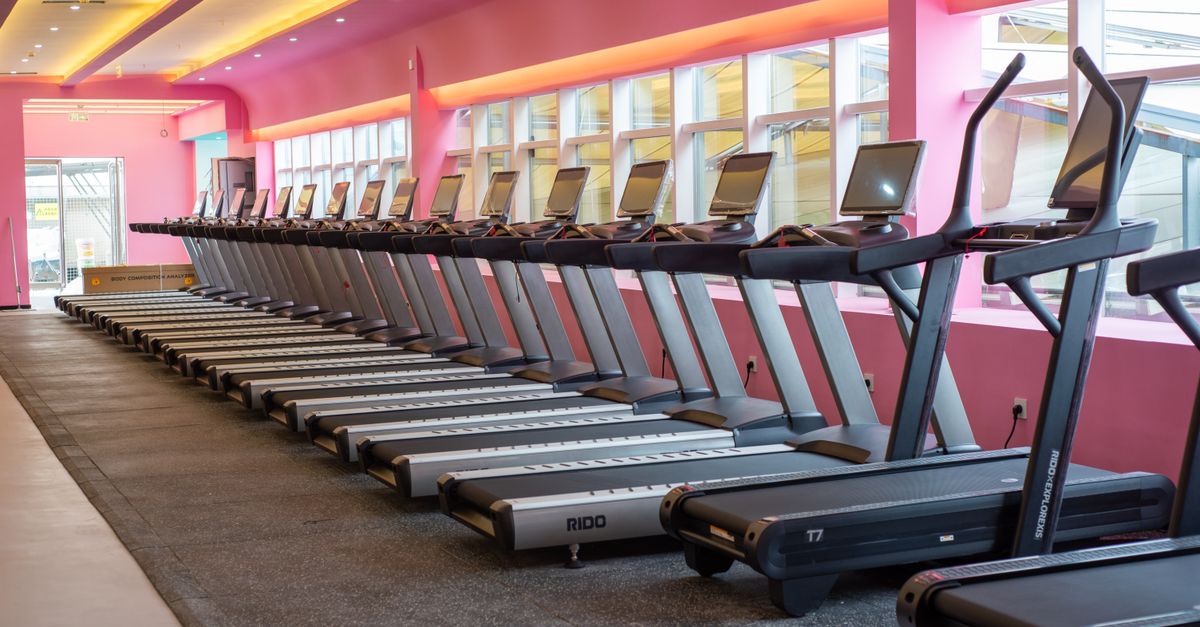
Treadmills are the best fit if you want the closest indoor match to outdoor walking or running. They also make sense if you follow run plans, speed work, incline sessions, or walking routines that benefit from speed control.
The trade-off is size and impact. Even folding models still need room when in use, and they usually make more deck noise and vibration than bikes or rowers. If your real goal is walking while you work, a dedicated under-desk model is usually the better category than a full-size treadmill.
- Best for runners and walkers who want specificity.
- Look for belt length, incline range, folding design, and a safety key or clip if the machine includes one.
- Start with Best Folding Treadmill for Home Gyms in 2026 if you know a treadmill is the right category.
Exercise bikes
Exercise bikes are the easiest cardio machines to use every week. They are usually low-impact, relatively quiet, and easy to place in a home gym, which is why they fit busy schedules so well.
The main thing to check is fit. Seat height, handlebar position, and rider range matter more than flashy extras, especially if more than one person will use the bike.
- Best for low-impact daily cardio, intervals, and recovery days.
- Good for shared homes because they are often quieter than treadmills.
- If this is your category, move to Best Exercise Bike for Home: 2026 Picks.
Rowing machines
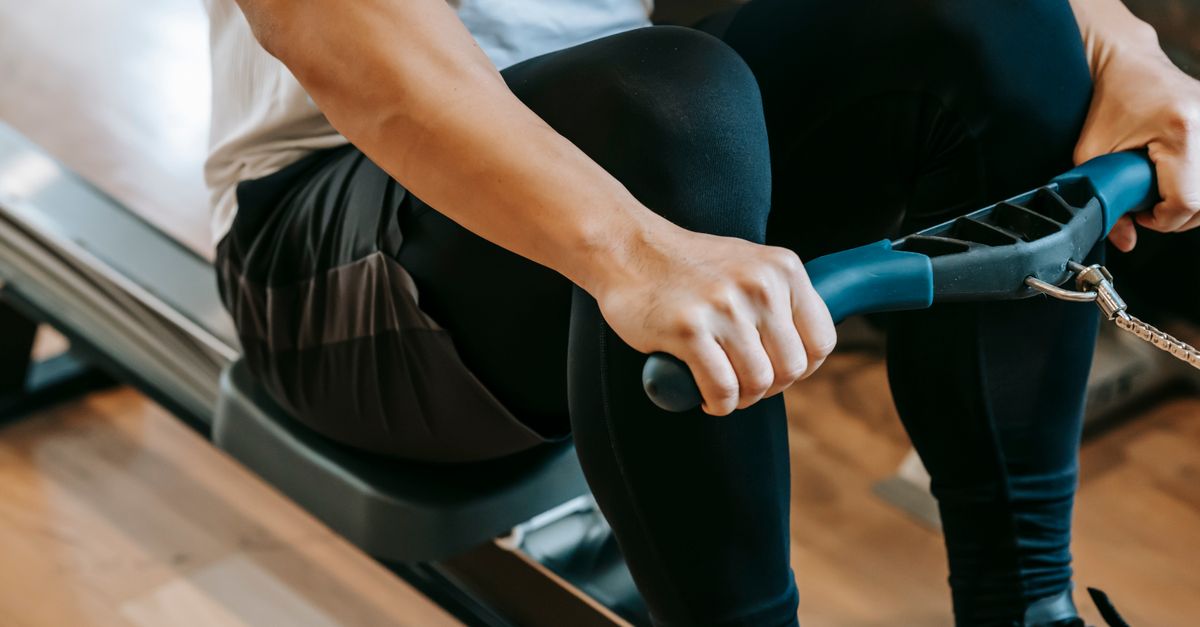
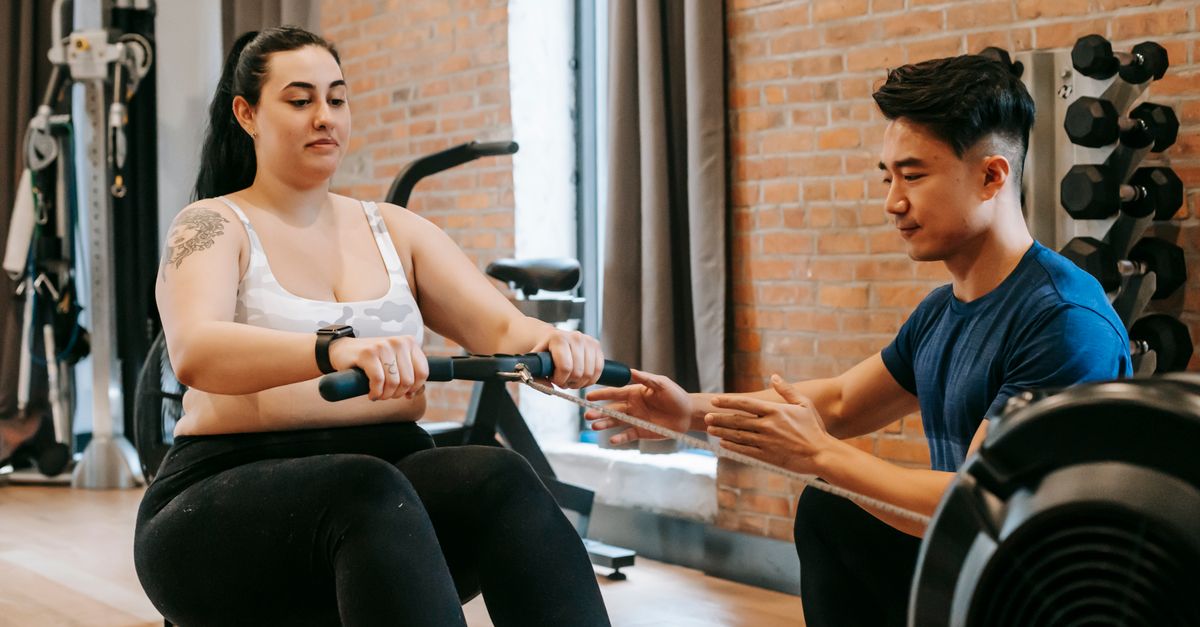
Rowers are a strong option when you want one machine to challenge your upper body, lower body, and conditioning at the same time. They can be a very efficient workout in a home setting.
The trade-off is learning the motion and planning for the long footprint during use. Fit matters too, especially seat height and rail length. If you already know you want a rower, compare current models in Rowing Machine for Home: Top Picks for 2026 and Best Rowing Machine for Home: 2026 Picks. If you're deciding between the rower and a treadmill, read Rowing Machine vs Treadmill: Which Is Better? before you buy.
- Best for full-body conditioning and steady technical practice.
- Check rail length, seat height, and how the machine stores when you are done.
- The current research here points to the Concept2 RowErg as the clearest example of this category.
Ellipticals
Ellipticals are a good middle ground when you want standing cardio with less impact than a treadmill. They are often easier on the body than running, while still letting you work for longer sessions.
Not all ellipticals feel the same. Stride length, pedal spacing, and arm movement change the experience a lot, so comfort matters more than a long feature list.
- Best for steady-state cardio when you want a smoother motion than running.
- Check stride feel and where the pedals land under your body.
- Because models vary so much, the spec sheet is more important here than the brand name.
Measure the room before you measure the specs
Tip: Measure the machine in its open, ready-to-use position first, then add space for getting on and off, cleaning, and any folding path. A cardio machine has to fit your room in real life, not just on a product page.
For folding units, also measure the storage position and the path from one room to another. A treadmill that fits the wall space may still be annoying if it cannot pass through the doorway or turn the corner in your hallway.
For a broader planning pass, use How Much Space Do You Need for a Home Gym? before you finalize the layout.
- Measure the machine in use, not just the shipping box.
- Check ceiling height for treadmills and ellipticals, especially if you are tall or plan to use incline or stride changes.
- Look at the moving path from delivery point to final location.
- Use proper flooring under heavier machines to help protect the subfloor and reduce vibration.
- If you are building around a tight room, pair this guide with How to Set Up a Home Gym in a Small Space.
Noise and impact matter more at home than in a gym
At home, noise can matter as much as resistance or screen size. In general, bikes are the easiest on neighbors and sleeping kids, rowers and ellipticals sit somewhere in the middle, and treadmills tend to create the most movement and deck noise.
Watch out: A machine that seems quiet in a showroom can sound very different on hardwood or tile. Use a stable floor and proper gym flooring if the machine sits on a hard surface, and keep children away from moving parts and controls.
- Choose lower-impact machines if your priority is comfort during longer sessions.
- Use a stable floor and proper gym flooring if the machine sits on hardwood, tile, or laminate.
- Keep children away from moving parts and controls.
- If the same room also holds strength equipment, anchor racks and use safeties or spotter arms exactly as the manufacturer instructs for those products.
Tech, resistance, and training feel
A screen is only useful if it actually helps you train more often. Some buyers want a large display, auto-adjust features, and guided classes. Others want a simple console, quick start buttons, and a machine that works well even when the app is closed.
That split is easy to see in the current market. NordicTrack leans hard into iFIT and auto-adjust training, Schwinn IC4 is built around broad app compatibility, Concept2 keeps things focused with the PM5 monitor, and SOLE gives you a free app without a monthly subscription requirement.
- Choose connected training if guided classes will make you use the machine more often.
- Choose a simpler console if you want fewer logins, fewer updates, and less friction.
- Check whether the machine still works well without a paid app.
- Resistance feel matters too: riders often care about bike fit, runners care about belt feel, and rowers care about repeatable data.
When app features help
Interactive coaching can be useful if you like structure, competition, or automated changes in resistance and incline. It can also make boring sessions easier to finish.
Good to know: The best connected machine is still the one you'll actually use. If classes, touchscreens, and automatic adjustment keep you consistent, they can be worth the added complexity.
- Good for people who enjoy classes and guided workouts.
- Useful if entertainment keeps you consistent.
- Worth paying attention to on machines like the NordicTrack Commercial 1750 Treadmill and Schwinn IC4 Indoor Cycling Bike.
When simple ownership wins
If you want to start a workout quickly and ignore subscriptions, a simpler machine can be the smarter buy. Many home users care more about habit and durability than a giant screen.
This is where the Concept2 RowErg Rowing Machine and SOLE F63 Treadmill make sense for a lot of buyers: fewer moving parts in the decision, fewer ongoing choices, and less app friction.
- Good for buyers who dislike monthly app dependence.
- Useful when multiple people will use the machine differently.
- Worth a look on products like the Concept2 RowErg Rowing Machine and SOLE F63 Treadmill.
Ownership, assembly, and long-term use
Good to know: The published weight limit, delivery route, and assembly burden can matter as much as the workout features. A cardio machine is a long-term household item, so think about cleaning, moving it later, and whether you can get it into the room without a headache.
Before you buy, check the published max user weight, read the manual for any safety features, and make sure the machine is stable on your floor. Wipe sweat off after workouts, keep the area around the machine clear, and keep children away from moving parts and controls.
- Check the published max user weight and adjust your shortlist accordingly.
- Plan for assembly and for future moves inside the house.
- Use treadmill safety features such as a safety key or clip if the model includes one.
- If you need workout structure after the machine is set up, use the ideas in Training Guides.
FAQ
Which cardio machine is best for a small home gym?
Usually an exercise bike, because it is compact, relatively quiet, and easy to use often. A folding treadmill can also work if running is your priority, but it usually needs more room than a bike.
Is a treadmill or exercise bike better for beginners?
Many beginners find a bike easier to start with because it is lower impact and simpler to use. A treadmill is better if you want walking or running practice that feels closer to outdoor training.
Are rowers good for full-body cardio?
Yes. Rowers use both upper and lower body and can deliver a hard cardio session without needing a separate machine for each muscle group. They do ask for a little technique, so the first workouts should be measured and controlled.
Do I need a folding treadmill for home use?
Only if you need to reclaim floor space often or want a machine that is easier to tuck away. If the treadmill will stay in one permanent spot, folding is helpful but not mandatory.
What is the difference between a folding treadmill and an under-desk treadmill?
A folding treadmill is meant for walking, jogging, and running. An under-desk treadmill is mainly for walking while you work or for light movement breaks, so if desk walking is your real goal, start with Best Under Desk Treadmill: 2026 Top Picks; if you want a true training machine, use Best Folding Treadmill for Home Gyms in 2026.
Are connected apps and touchscreens worth it?
They are worth it if they make you train more often. If you prefer a quick start and fewer logins, a simpler console is usually the better long-term choice.
Which cardio machine is quietest?
Exercise bikes are usually the easiest on shared spaces. Rowers and ellipticals can also be relatively quiet, while treadmills usually create more impact and deck noise.
Which machine is easiest on joints?
Bikes, rowers, and ellipticals are generally lower impact than treadmills. If joint comfort is a major concern, start with the lowest-impact option that still matches the workouts you will actually do.
The bottom line
The right cardio machine is the one that fits your room, your body, and the way you already like to train. Start with type, then narrow by size, noise, impact, and how much tech you really want.
If you are ready to shop, use the bike and treadmill guides for model-level detail, then sanity-check the final pick against your floor plan, flooring, and long-term habit.