How we research: this guide is based on manufacturer specifications, published data and verified customer feedback. Products are not personally tested unless marked “Tested by us”. Our process.
We may earn a commission when you buy through links on this site, at no extra cost to you. As an Amazon Associate I earn from qualifying purchases.
Recovery gear can help with soreness, stiffness, and warm-ups, but only if the tool matches the job. This guide is meant to help you sort the useful options from the hype. The picks below rely on manufacturer specs, official manuals, and verified customer feedback.
If you are mainly deciding between percussion devices, start with Best Massage Gun for Recovery in 2026 and Is a Massage Gun Worth It? 2026 Recovery Guide.
If you want a simpler setup, compare Best Foam Roller for Recovery in 2026 and Best Stretching Equipment for Home Use in 2026. If most of your work happens on the floor, a good mat from Best Yoga Mat for Home Workouts: 2026 Picks helps the routine feel easier to repeat. If you are building a home gym from scratch, How to Start Strength Training at Home and How to Set Up a Home Gym in a Small Space can help with the bigger picture. If you have a medical condition or are starting a new exercise program, talk to a doctor first.
Quick picks
Comparison table
| Type | Best for | Main trade-off | Good signs to look for | Check price |
|---|---|---|---|---|
| Foam rollers | Beginners, daily use, and broad muscle groups | Requires bodyweight and can feel intense on sensitive spots | Density, length, diameter, and surface texture | — |
| Massage guns | Targeted upper-body or glute work | Can be intense and needs charging | Weight, handle reach, battery life, noise, and attachments | — |
| Compression boots | Heavy legs, travel, or post-cardio recovery | Fit-sensitive and leg-only | Sizing, pressure range, zone count, and battery life | AmazoneBay |
| Stretching tools | Assisted mobility and warm-ups | Slower than powered tools | Grip, stretch, adjustability, and durability | — |
| Yoga mats | Floor-based mobility and recovery work | Not a recovery tool by itself | Traction, cushioning, size, and easy cleanup | — |
Our picks in detail
Therabody JetBoots Prime Wireless Compression Boots
Best for: People who want portable, wireless leg compression with simple controls.
Fully wireless compression boots with four overlapping air chambers.
25–100 mmHg compression range in 25 mmHg steps.
20, 40, 60, or continuous session options, plus a foldable design and included drawstring backpack.
- Type
- Fully wireless compression boots
- Air chambers
- 4 overlapping air chambers
- Pressure range
- 25–100 mmHg
- Session options
- 20, 40, 60, or continuous
- Battery
- Up to 180 minutes
- Sizes
- Small, Regular, Large
- Clearance
- FDA cleared
- Warranty
- 1-year warranty
Pros
- Fully wireless
- Portable and easy to store
- Multiple size options
- Simple to use
Cons
- Only for the legs
- Sizing matters
- Less adjustable than a full compression system
Normatec 3 Legs
Best for: Users who want a more adjustable leg-compression system at home or on the go.
Dynamic air compression with seven levels from 40 to 110 mmHg.
Five zones of gapless compression with ZoneBoost and Bluetooth control.
Up to 3-hour battery life, TSA-friendly design, and Short, Standard, and Tall sizes.
- Type
- Dynamic air compression
- Pressure levels
- 7 levels, 40–110 mmHg
- Zones
- 5 zones of gapless compression
- Features
- ZoneBoost
- Connectivity
- Bluetooth
- Battery
- Up to 3 hours
- Sizes
- Short, Standard, Tall
- Included
- Control unit + 2 leg attachments
Pros
- Highly adjustable compression
- Long battery life
- Segmented leg coverage
- TSA-friendly design
Cons
- Dedicated leg system
- More setup and storage than manual tools
- Only makes sense if you use compression regularly
Start with the problem you actually have
The best recovery gear is the tool that solves a specific job: broad soreness, a stubborn spot, heavy legs, or limited mobility. If the job is vague, the buy usually becomes a drawer accessory instead of part of your routine.
For floor-based recovery, a good mat and a simple stretching setup matter more than flashy electronics. That is where Best Yoga Mat for Home Workouts: 2026 Picks and Best Stretching Equipment for Home Use in 2026 fit in.
- Broad tightness usually points to a foam roller.
- A specific spot you want to reach points more toward a massage gun.
- Heavy legs after lower-body work or travel can justify compression boots.
- Better range of motion often calls for a strap or band.
- Floor-based mobility work is easier to repeat with a grippy mat.
If you are unsure, start simple
Manual tools are easier to own, easier to store, and easier to keep using. If you are still figuring out your routine, start with the simplest option that solves the problem you feel most often.
The main tool types and where each fits
Recovery tools fall into five practical groups: foam rollers, massage guns, compression boots, stretching tools, and mats. Manual tools are the easiest to own. Powered tools add convenience. Compression is the most specialized.
If you want model-by-model comparisons on percussion, use Best Massage Gun for Recovery in 2026; if you are still deciding whether a gun belongs in your routine, Is a Massage Gun Worth It? 2026 Recovery Guide is the better next step. For roller choices, Best Foam Roller for Recovery in 2026 is where density and shape matter most.
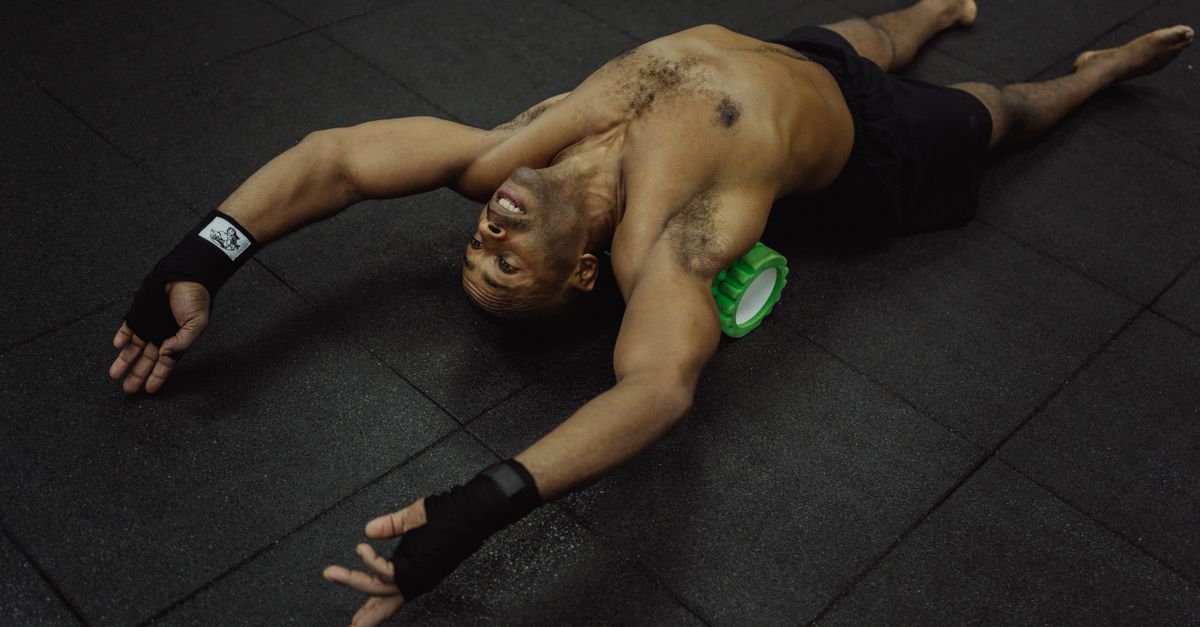
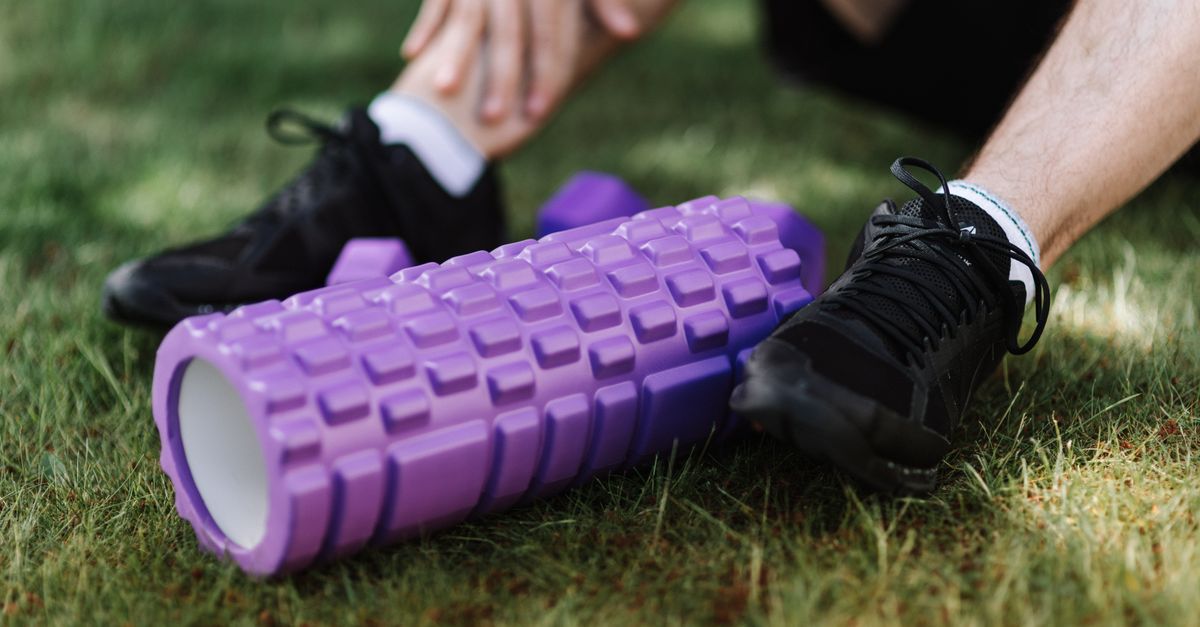
- Foam rollers give broad pressure and are good for large muscles.
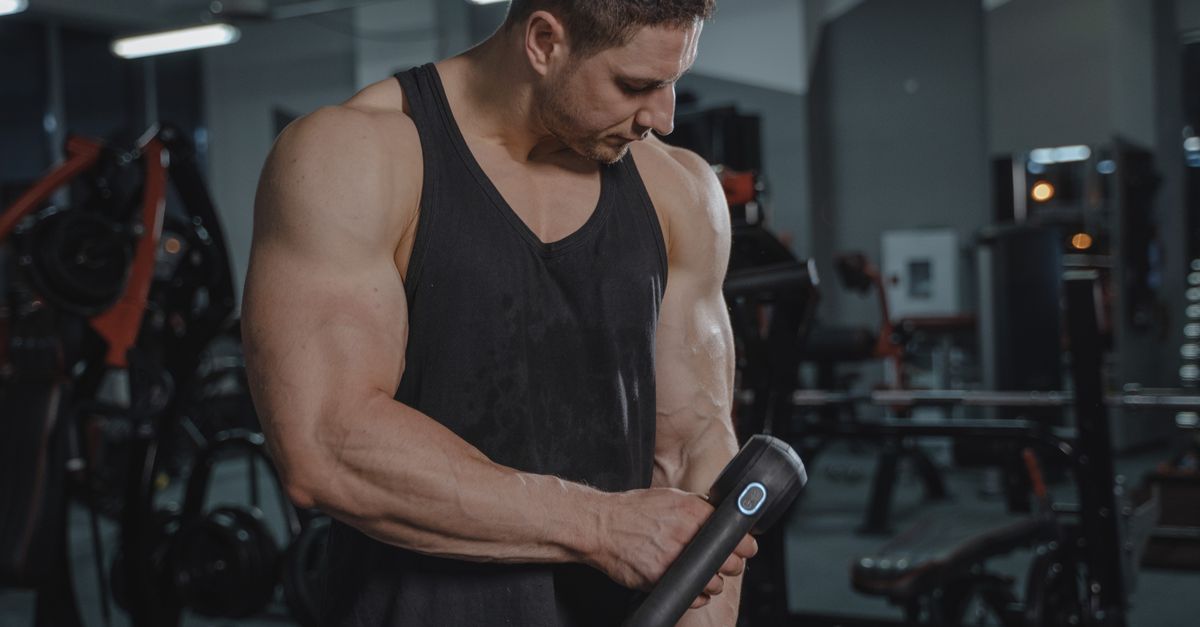
- Massage guns are targeted, one-handed, and useful when you do not want to get on the floor.
- Compression boots are lower-body only, but useful if passive recovery is your priority.
- Stretching tools help with controlled mobility work and warm-ups.
- A yoga mat improves comfort and traction for floor-based recovery sessions.
When a mat is part of recovery
A mat is not recovery gear by itself, but it makes mobility work easier to repeat. If your routine happens on the floor, traction and cushioning matter as much as the stretch you pick.
Massage guns vs compression boots
This is the biggest comparison for most shoppers. Massage guns are active and targeted; compression boots are passive and leg-specific. If you want a one-device solution for shoulders, glutes, calves, and warm-ups, a massage gun makes more sense. If your main issue is heavy legs after running, cycling, travel, or long days on your feet, compression boots are the more specialized buy.
The current US models worth comparing here are Therabody JetBoots Prime Wireless Compression Boots and Normatec 3 Legs. JetBoots Prime is the simpler wireless option; Normatec 3 Legs is the more adjustable system.
If you are still asking whether percussion is worth it at all, the separate Is a Massage Gun Worth It? 2026 Recovery Guide is the right next stop.
- Choose a massage gun if you want targeted upper-body or glute work.
- Choose compression boots if you want passive leg recovery after cardio, travel, or standing all day.
- Do not buy both unless you know you will actually use both.
- If your recovery budget is limited, buy the category that solves your main problem first.
Sizing and fit matter
Compression boots should be sized carefully. Follow the brand chart, and if you are between sizes, Hyperice recommends sizing down. Fit affects coverage and comfort, so do not guess.
If you have a question about whether compression or percussion is appropriate for you, ask a doctor before using it.
Specs that matter more than marketing
The biggest shopping mistake is focusing on extras instead of the features that affect daily use. Weight, battery life, fit, comfort, and setup matter more than a long list of modes.
Current US product pages can be confusing because older names linger in search results. That is why the exact model name, battery spec, pressure range, and sizing should matter more than brand language.
- Massage gun shoppers should look at weight, handle reach, battery life, noise, attachments, and whether the highest setting is actually usable.
- Compression boot shoppers should check size options, pressure range, zone count, and how easy the system is to put on and take off.
- Foam roller shoppers should pay attention to density, diameter, length, and whether the surface is smooth or textured.
- Stretch strap and band shoppers should look at grip, stretch, and durability.
- App features are nice to have, but they are rarely the main reason a recovery tool works better.
What usually sounds better than it is
Long app descriptions, huge attachment kits, and vague recovery claims rarely tell you how the device feels in a tired routine. If a tool is too heavy, too bulky, or too fussy to set up, it will usually be the wrong tool.
Safety rules and home-gym setup
Safety still matters with recovery gear. Start at the lowest comfortable setting, follow the manual, and stop if a tool feels sharp, unstable, or uncomfortable. If you have a medical condition or you are starting a new exercise program, talk to a doctor first.
If your recovery corner shares space with lifting equipment, anchor racks, use safeties or spotter arms where relevant, keep the floor stable and properly padded, and keep children away from machines, cords, and powered devices. Best Home Gym Flooring for Every Setup can help you choose a surface that supports that setup.
- Use the lowest comfortable setting first.
- Follow the manufacturer fit and use guidance.
- Keep the floor clear, stable, and dry.
- Keep children away from machines, cords, and accessories.
- Store attachments, straps, and cables out of walkways.
Flooring and storage are part of recovery too
A stable floor makes stretching and floor-based recovery more comfortable. Dry, organized storage also helps powered gear last longer and keeps the area safer.
Maintenance and ownership costs
The true cost of recovery gear includes cleaning, charging, storage, and replacement parts. Manual tools are easy to own. Powered tools need a little more routine.
If you want the lowest-hassle setup, a foam roller plus a mat and a stretch strap usually beats a more complex device you will avoid using. After that, check the current price and warranty, then buy the option that fits your routine instead of the one with the longest spec sheet.
- Wipe down contact surfaces after use.
- Charge batteries before travel or before a heavy training week.
- Store rollers, straps, and boots in a dry place.
- Replace worn foam, stretched fabric, or damaged accessories when they stop working smoothly.
The best long-term buy is the one you keep using
A good recovery buy still feels good after a month of use. If a tool is easy to clean, easy to store, and easy to reach for, it usually beats a more advanced device that feels like a chore. Consistency beats novelty here.
FAQ
What should I buy first for a home recovery setup?
A foam roller is usually the easiest starting point because it is simple, versatile, and easy to keep using. If your routine is mostly floor mobility, add a mat from Best Yoga Mat for Home Workouts: 2026 Picks and a few items from Best Stretching Equipment for Home Use in 2026.
Is a massage gun worth it?
It can be, if you want targeted percussion and you will actually use it. For the model-level breakdown, see Is a Massage Gun Worth It? 2026 Recovery Guide.
Are compression boots better than a massage gun?
Not better overall, just better for a different job. Boots are passive and leg-specific; massage guns are more versatile and better for targeted spots.
How do I choose a compression boot size?
Follow the size chart carefully. Hyperice recommends sizing down if you are between sizes, and any doubt is a good reason to ask a health professional before using compression gear.
Do I need both a foam roller and a yoga mat?
Often yes if you do floor-based mobility. The mat makes the work more comfortable and stable, while the roller gives you broad pressure. See Best Foam Roller for Recovery in 2026 and Best Yoga Mat for Home Workouts: 2026 Picks.
Can I use recovery gear every day?
Often yes, as long as you stay within the manufacturer guidance and keep the intensity comfortable. If a tool causes pain or discomfort, stop using it and ask a doctor if you are unsure.
What is the biggest recovery gear mistake?
Buying for features instead of the problem, your space, and your routine. The second biggest mistake is expecting one device to replace sleep, training, and good programming.
The bottom line
If you want the shortest answer, start with a foam roller, add a yoga mat and stretching tools if most of your work happens on the floor, and only move to compression boots if passive leg recovery is the real goal.
For current compression picks, JetBoots Prime is the simpler wireless option and Normatec 3 Legs is the more adjustable system. If you still want a percussive device, go back to Best Massage Gun for Recovery in 2026 or Is a Massage Gun Worth It? 2026 Recovery Guide.