How we research: this guide is based on manufacturer specifications, published data and verified customer feedback. Products are not personally tested unless marked “Tested by us”. Our process.
We may earn a commission when you buy through links on this site, at no extra cost to you. As an Amazon Associate I earn from qualifying purchases.
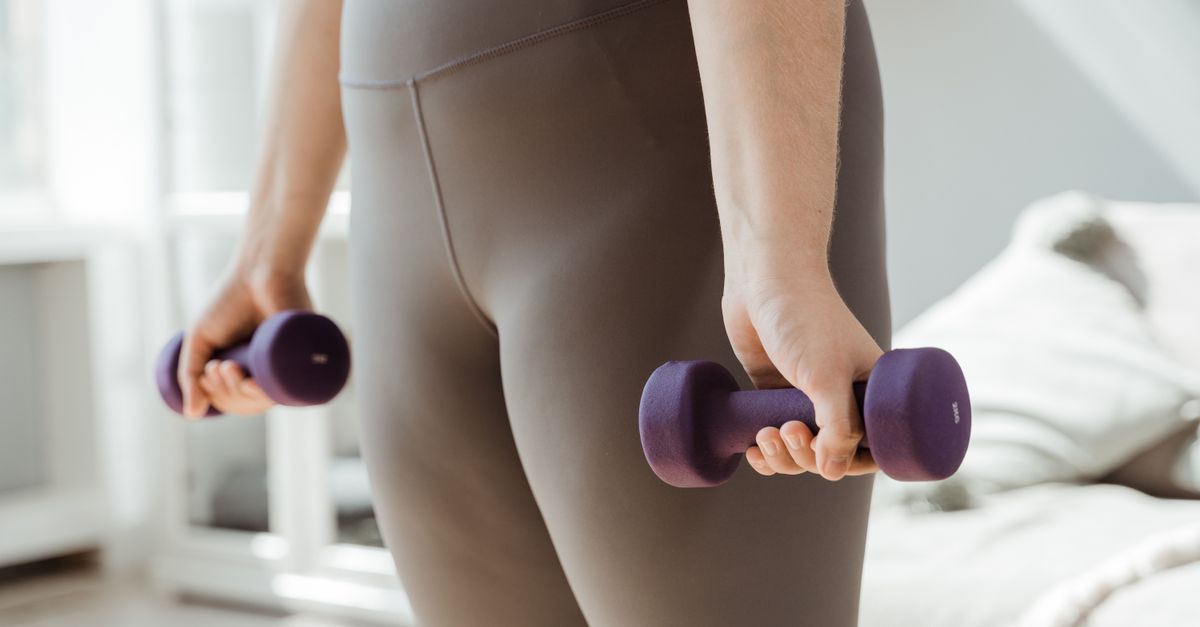
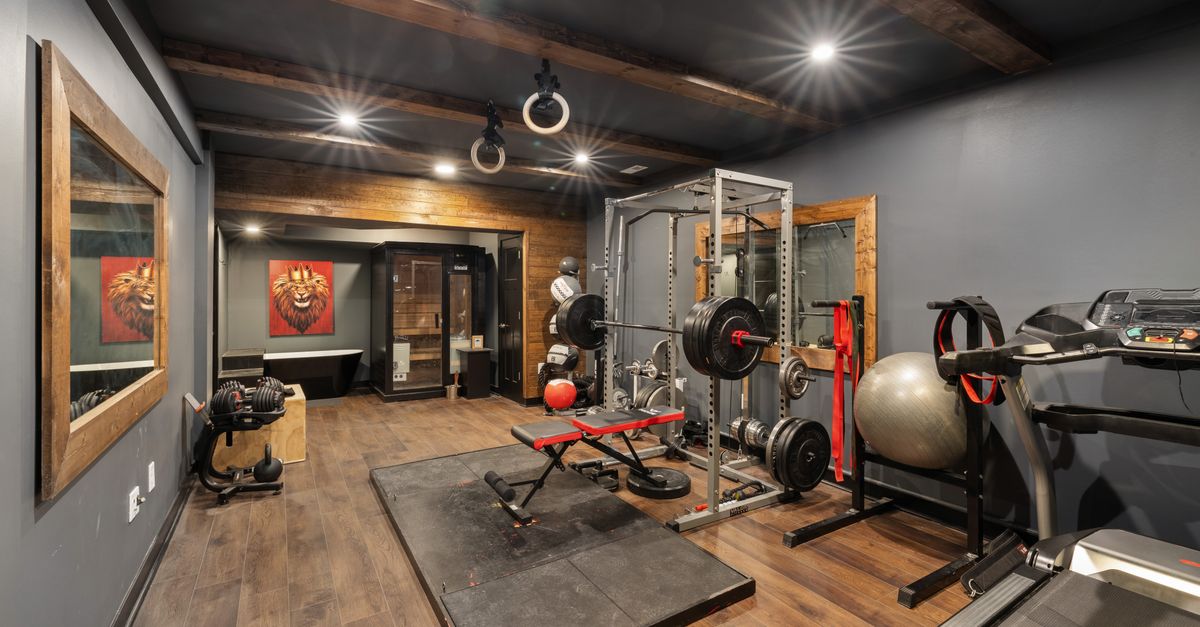
Home training can be as simple as a pair of dumbbells or as involved as a treadmill or rack-and-bench corner. The right setup is the one you can fit, maintain, and use consistently.
If you are brand new, start with how to start strength training at home and dumbbell workout for beginners at home. If you want to compare how much room each option really needs, use how much space do you need for a home gym before you shop.
If rowing is on your list, read how to use a rowing machine first. If you prefer fixed dumbbells instead of a selector system, compare them with the rubber hex dumbbell guide.
If you have a medical condition or a recent health concern, talk to your doctor before starting a new exercise program.
Quick picks
Comparison table
| Category | Best for | Ownership trade-offs | Current U.S. example | Check price |
|---|---|---|---|---|
| Adjustable dumbbells | Small-space strength work | Compact, quiet, and low maintenance, but you may outgrow the weight range | Bowflex Results Series 552 SelectTech Dumbbells | — |
| Indoor cycling bike | Quiet low-impact cardio | Smaller than a treadmill, but it still needs a dedicated spot and some bike-fit setup | Schwinn IC4 Indoor Cycling Bike | AmazoneBay |
| Rowing machine | Full-body cardio and conditioning | Longer footprint in use and more fan noise than a bike, but simple to maintain | Concept2 RowErg | — |
| Connected treadmill | Walk/run training and incline work | Largest footprint, heaviest delivery and assembly burden, and the most software dependence | NordicTrack Commercial 1750 Treadmill | — |
| Rack and bench setup | Long-term strength progress | Most room, the most safety planning, and more hardware to manage | Power rack and bench setup | — |
Our picks in detail
Bowflex Results Series 552 SelectTech Dumbbells
Best for: compact strength training in a small space
The current Results Series 552 SelectTech Dumbbells give you a compact adjustable pair instead of a full rack.
Fifteen settings and a 5 to 52.5 lb range per dumbbell make them a practical first strength upgrade for many home users.
Best when storage matters more than absolute dumbbell simplicity.
What owners mention: Verified owners commonly praise the small footprint and fast weight changes, especially in apartments and shared spaces. Complaints usually focus on the moving parts, the upper weight ceiling, and making sure you are buying the current Results Series version.
- Weight range
- 5 to 52.5 lb per dumbbell
- Settings
- 15
- Dimensions
- 16.9" x 8.3" x 9" per dumbbell
- Construction
- Reinforced metal plates and locking system
- Warranty
- 2-year parts warranty
Pros
- Compact footprint
- Quick weight changes
- Useful range for many starter and intermediate routines
Cons
- More moving parts than fixed dumbbells
- Not ideal if you need very heavy dumbbells
- Be sure you are buying the current Results Series 552 rather than the older SelectTech line
Skip it if: Skip this if you want fixed dumbbells, need heavier loading, or prefer the simplest possible all-metal setup.
Schwinn IC4 Indoor Cycling Bike
Best for: quiet home cardio with flexible connectivity
The IC4 is a magnetic-resistance indoor cycling bike with Bluetooth and app compatibility.
Its footprint is manageable for a dedicated home-cardio spot, and the ride is quiet enough for shared spaces.
Useful if you want a bike that works well even when you do not care about a big screen.
What owners mention: Verified owners commonly praise the quiet magnetic ride, stable feel, and the fact that the bike works without forcing a subscription. Common complaints tend to center on saddle comfort and the time it takes to dial in setup.
- Resistance
- 100 levels
- Resistance type
- Magnetic
- Connectivity
- Bluetooth/app compatibility
- Dimensions
- 54.6" x 30.7" x 51.8"
- Max user weight
- 330 lb
- Warranty
- 10-year frame, 3-year parts/electronics, 1-year labor
Pros
- Quiet magnetic resistance
- Stable ride
- No required subscription to use the bike as a bike
Cons
- Requires some assembly and bike-fit time
- Saddle comfort may take tweaking
- Still needs a dedicated floor area
Skip it if: Skip this if you do not want to spend time on bike fit or you would rather have a rower or treadmill.
Concept2 RowErg
Best for: low-maintenance full-body cardio
The RowErg is the current name for Concept2's long-running air rower.
It is a simple, durable machine with a PM5 monitor and a reputation for straightforward ownership.
Good for buyers who want conditioning that does not depend on a touchscreen or a subscription to stay useful.
What owners mention: Verified owners commonly praise the durability, low maintenance, and the fact that it stays useful without core app dependence. Common complaints are the noise and the length, which can be harder to live with in a tight room.
- Monitor
- PM5
- Resistance
- Adjustable air resistance
- Device holder
- Included
- Storage
- Designed for easy storage
- Current status
- Current U.S. model
Pros
- Low-maintenance design
- No core app dependence
- Commercial-style durability
Cons
- Louder than magnetic cardio machines
- Long in use
- Takes planning if the room is tight
Skip it if: Skip this if you need the quietest possible cardio machine or do not have room for a long rowing stroke.
NordicTrack Commercial 1750 Treadmill
Best for: feature-rich running and incline training at home
The Commercial 1750 is a connected treadmill with a folding SpaceSaver design.
Its big touchscreen, incline, and decline make it the most feature-rich option in this group.
Best for buyers who are ready for more footprint, assembly, and software decisions.
What owners mention: Verified owners commonly praise the big feature set, incline/decline range, and folding design. Common complaints focus on assembly, software complexity, and the heavier ownership burden that comes with a connected treadmill.
- Screen
- 16" pivoting touchscreen
- Speed
- 0 to 12 MPH
- Incline/decline
- 12% incline to -3% decline
- Belt
- 22 x 60 in
- Folding design
- SpaceSaver
- Max user capacity
- 400 lb
Pros
- Incline and decline
- Folding storage design
- Large touchscreen for guided workouts
Cons
- Largest ownership burden here
- More assembly and service complexity
- Connected features can add software dependence
Skip it if: Skip this if you want a simple, low-maintenance treadmill or you do not want a larger connected machine.
Start with the training path, not the shopping list
The biggest home-gym mistake is buying gear before the routine is clear. A beginner who only needs a few full-body sessions has different needs than someone building a permanent strength area.
Tip: If you can only keep one habit consistent, buy the smallest setup that supports that habit first. You can always add more gear after the routine is locked in.
- Pick a routine you can repeat for weeks, not a plan that only looks impressive on paper.
- Choose dumbbell-first if you want simplicity and fast setup.
- Choose a broader strength plan if you need help with progression and exercise order.
- Choose a small-space setup if the room has to do double duty.
Compare the main home-training categories
When you compare gear, the hidden differences are usually footprint, setup, repairability, sound, and whether the machine still works well without an app. If barbell training is your real goal, compare that path with best power rack for home gym before you buy.
Adjustable dumbbells: the simplest compact strength setup
Bowflex Results Series 552 SelectTech Dumbbells are the current compact adjustable-dumbbell option to compare if you want one pair to do the work of several fixed pairs. This style is easy to store and quick to use, which matters more than fancy extras for many beginners.
- Footprint: small enough for a closet, corner, or shelf.
- Setup complexity: low; the main question is whether the selector and locking system feel smooth and positive.
- Maintenance: basic wipe-down and inspection; moving parts should be kept clean and dry.
- Noise: very quiet.
- Software dependence: none.
Indoor cycling bike: quiet cardio with a dedicated footprint
The Schwinn IC4 Indoor Cycling Bike is a useful benchmark for a quiet home-bike setup. Its magnetic resistance and Bluetooth/app compatibility give you flexibility, but the bike still needs a dedicated spot and some fitting time. The toe-cage setup can work with regular sneakers, while clip-in use depends on compatible pedals.
- Footprint: compact for a cardio machine, but still a dedicated floor-space commitment.
- Setup complexity: moderate assembly and bike fit take time.
- Maintenance: generally low, with periodic checks on fit, pedals, and hardware.
- Noise: quiet, especially versus treadmills.
- Software dependence: the bike still works as a basic bike without much friction, but connected features may add separate subscriptions.
Rowing machine: full-body work with simple ownership
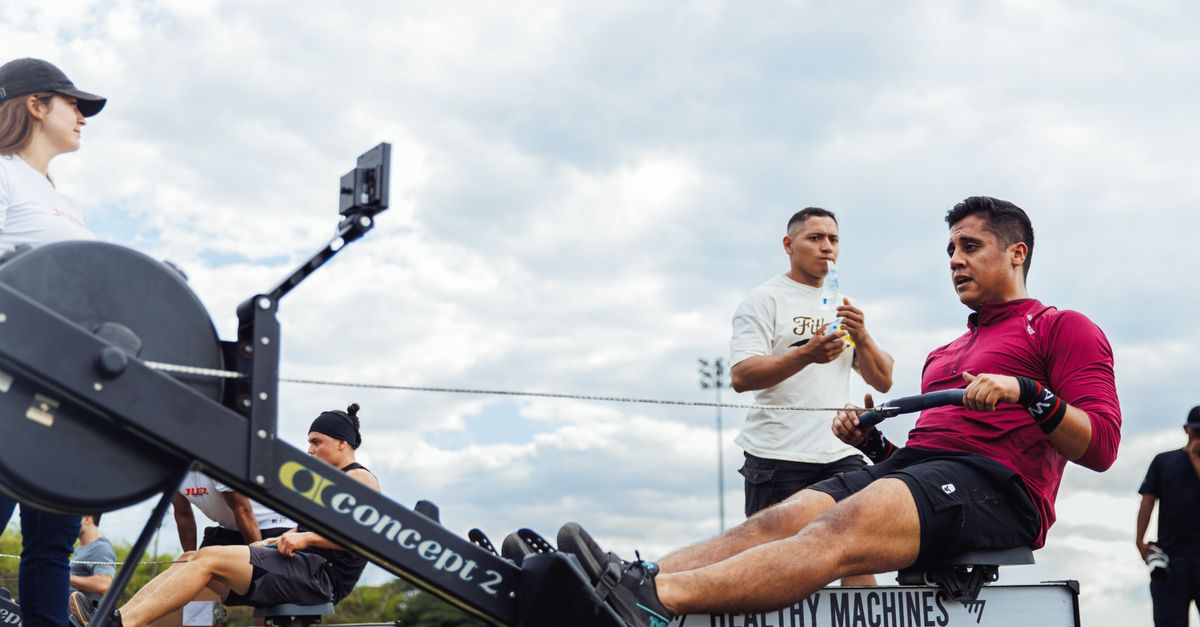
Concept2 RowErg is the benchmark to look at if you want air rowing with a reputation for simple ownership. It is straightforward to operate, but the length of the stroke means the room has to work around the machine, not the other way around.
- Footprint: long in use; plan for the workout area and where it will live.
- Setup complexity: moderate, but the machine itself is simple once placed.
- Maintenance: low and relatively straightforward.
- Noise: audible because of air resistance.
- Software dependence: the PM5 monitor works without a subscription; optional apps add features if desired.
Connected treadmill: the biggest feature set and the biggest burden
NordicTrack Commercial 1750 Treadmill is the clearest example of the connected, feature-heavy side of home cardio. It offers incline and decline plus a folding design, but treadmill ownership usually brings the most delivery, assembly, and service burden.
- Footprint: large in use, even with folding storage.
- Setup complexity: delivery, assembly, and placement take more effort than compact gear.
- Maintenance: more moving parts and more service considerations than dumbbells or a bike.
- Noise: usually louder than a bike or rower, especially at running speeds.
- Software dependence: connected workouts can be useful, but confirm what still works if you do not want to rely on an app.
Rack and bench setup: the long-term strength path
A rack-and-bench setup is the right comparison if barbell training is the priority. It gives you the most long-term strength potential, but it also requires the most room, the most safety hardware, and the most planning before purchase.
- Footprint: the largest overall, especially once you add barbell storage and plate storage.
- Setup complexity: highest, particularly if anchoring is required.
- Maintenance: low once installed, but hardware checks and floor protection matter.
- Noise: moderate to high depending on lifting style and plates.
- Software dependence: none.
Which setup fits your goal?
Match the category to the job instead of trying to make one machine do everything. If your main goal is to train consistently at home, the simplest setup that supports that habit is usually the best starting point.
In short: choose the category that solves your biggest friction point first, whether that is space, noise, comfort, or programming.
- Small-space strength: adjustable dumbbells are usually the easiest first buy.
- Quiet shared-space cardio: an indoor cycling bike is usually easier to live with than a treadmill.
- Full-body conditioning: a rower gives you strong conditioning work if you have room for the stroke path.
- Running and incline work: a treadmill is the most direct option, but it also brings the biggest ownership burden.
- Long-term barbell progress: start with a rack and bench only if you are ready for the space and safety requirements.
Make the room fit the routine
A good home training area is measured by usable space, not just by the size of the machine. If the room is shared, the planning advice in this guide should come before the purchase decision.
Good to know: The working footprint matters more than the storage footprint for most rowers, treadmills, and racks. If the floor is not stable enough, use best home gym flooring so the equipment stays put and the room is easier to clean.
- Measure the space where you will actually move, not just where the gear will sit.
- Leave room for getting on and off the floor safely.
- Check ceiling height for overhead work or tall bikes.
- Plan where equipment lives when it is not in use.
- Use proper flooring or another stable protective surface so equipment does not shift around.
Safety and serviceability matter more than flashy features
Before buying, check the manufacturer-listed weight limit, stability notes, anchoring requirements, and what the machine does without the app. For bigger machines, also look at replacement parts and service options before purchase.
Watch out: If a rack requires anchoring or spotter arms, plan for those from day one instead of treating them as add-ons.
- Anchor racks if the instructions call for it.
- Use safeties or spotter arms whenever the lift calls for them.
- Keep children away from loaded equipment and moving parts.
- Inspect hardware regularly and tighten what the manufacturer says to check.
- Keep cords, plates, and accessories out of walkways.
Connected gear: when it helps and when it does not
Apps and touchscreens can help motivation, tracking, and guided workouts, but they are not a substitute for a machine that fits the room and the routine. If the machine still works the way you need it to when the app is off, ownership is usually simpler.
- Choose software features only if they support a habit you will actually keep.
- Prefer gear that is still useful without a subscription.
- Avoid paying extra for coaching you will not follow.
How to think about budget tiers
Budget, mid-range, and premium describe commitment as much as sticker shock. Budget is for the smallest workable setup. Mid-range is the balance point for many buyers. Premium is worth considering only when the machine will be used often enough to justify the extra footprint, delivery hassle, and service expectations.
What is worth paying for
Pay more for the parts of a setup that change how often you use it and how safely it operates.
- A stable frame or base
- Smooth resistance or a reliable adjustment system
- Quiet operation in a shared home
- Real safety hardware instead of add-ons later
- Parts support and serviceability
What is mostly marketing
The features below can be nice, but they rarely matter if the basic machine does not fit the room or the routine.
- Oversized touchscreens
- Built-in entertainment extras
- Flashy metrics you will not track
- Too many preset workouts
- Cosmetic lighting or styling that does not improve training
Keep the setup sustainable
The longest-lasting home setups are usually the ones that stay compact, quiet, and low-fuss. Adjustable dumbbells, magnetic bikes, and simple rowers continue to make sense for many buyers because they are easier to reset and easier to live with.
A good setup is also one that can be serviced without drama. Keep the manual, warranty information, and serial numbers together so basic support is simpler if you ever need it.
- Wipe equipment down after use and inspect it regularly.
- Replace worn mats, grips, or straps before they become a distraction.
- Keep accessories organized so the room is easy to reset for the next workout.
- Upgrade only when your current setup no longer matches your goals.
- Choose gear with replacement parts and support that are easy to understand before you buy.
Common mistakes and simpler fixes
The most common mistake is trying to build the perfect gym before you have a routine. The second is ignoring the room, maintenance, and safety setup until after the equipment arrives.
In short: a small, workable plan is usually better than a big setup that never gets used. If you need a reset, go back to the beginner guides and rebuild from there.
- Do not buy a lot of gear before you know what you will repeat.
- Do not skip floor protection, storage, or clear walkways.
- Do not choose connected features you will not use.
- Do not ignore rack safety hardware or rack anchoring instructions.
- Do not let delivery and assembly hassle push you into a machine you cannot realistically place.
FAQ
What is the easiest way to start training at home?
Start with a simple routine you can repeat, usually built around dumbbells or bodyweight work.
Do I need a full home gym to make progress?
No. Many people can get started with one compact piece of gear and enough floor space.
Is a rack necessary?
Only if you plan to do barbell work that benefits from one. A rack also brings safeties or spotter arms, anchoring requirements, and more floor planning.
What matters most in a cardio machine?
Footprint, noise, resistance feel, and whether the machine still works well if the app is not part of your daily routine.
Are connected screens worth it?
Sometimes, but only if the workouts and tracking are habits you will use. Otherwise, simpler equipment is easier to maintain.
How should I choose between budget, mid-range, and premium?
Choose budget for a lean start, mid-range for the best balance of comfort and durability, and premium only when the extra features solve a real problem.
Should I talk to a doctor before starting?
If you have medical concerns, a recent health issue, or you are unsure whether exercise is appropriate, yes.
The bottom line
The best home training setup is the one that fits your room, your routine, and your patience for upkeep.
Dumbbells, a bike, a rower, a treadmill, or a rack-and-bench setup can all be the right answer. Start with the simplest option that still supports consistent progress, then upgrade only when your current setup is truly limiting you.